
Call Or Text (515) 762-6200
Drug-Free Treatment for Chronic Back Pain in Des Moines
$37 LIMTED TIME DECOMPRESSION SPECIAL
2 Day Pain Relief Jumpstart Includes:
✔️Doctor Consultation
✔️Health History Review
✔️Neurological & Muscle Evaluation
✔️Posture and Movement Analysis
✔️Personalized Plan for Recovery
✔️First Decompression Treatment Included
Our staff will contact you within the hour to book your Decompression Evaluation.
What Our Decompression Patients Are Saying

What happens when disc problems go untreated
A bulging disc, herniated disc, or degenerative disc disease doesn't resolve on its own. Without proper treatment, the pressure on your spine increases — and so do the consequences.
Disc begins to bulge or lose fluid
You feel stiffness or occasional back pain in your lower back or neck. It comes and goes. Rest and medication take the edge off, so you push through. But the disc is losing hydration and elasticity — the shock absorber between your vertebrae is already failing.
Pain radiates into arms or legs
The herniated or bulging disc starts pressing on nearby nerves. Now you're dealing with sciatica, radiating leg pain, arm numbness, or a pinched nerve. The problem is no longer just in your spine — it's affecting your extremities and daily function.
Chronic pain and loss of mobility
Degenerative disc disease accelerates. Spinal stenosis may develop. Simple movements — bending, sitting, walking — become painful. Many doctors recommend surgery at this point. But non-surgical spinal decompression can still help — if you act before the damage becomes irreversible.
Why medication falls short
Pain medication and muscle relaxers address the symptom — not the disc injury. They don't restore hydration, reduce the bulge, or relieve the pinched nerve. The back pain relief is real but temporary, and the disc continues to deteriorate underneath.
There's a non-surgical option
Spinal decompression therapy creates gentle, targeted distraction that reduces pressure on the damaged disc, improves blood flow and nutrient exchange to the injured area, and allows the disc to begin healing — without surgery, without drugs, and without downtime.
What spinal decompression therapy actually is
Your spine has 23 intervertebral discs that act as shock absorbers between each vertebra. Over time — through disc injury, repetitive stress, or simple wear — these discs lose fluid, bulge, herniate, or degenerate. When that happens, the surrounding nerves get compressed, and you experience pain, numbness, or radiating symptoms like sciatica.
Non-surgical spinal decompression is a gentle procedure that uses controlled spinal traction to reduce pressure on the damaged disc. This creates negative pressure inside the disc, which helps pull bulging material back into place, improves blood flow, and allows nutrients to reach the injured area so healing can begin.
Whether you need lumbar decompression for lower back pain or cervical decompression for neck pain, the technology targets the specific disc level causing your symptoms — not a generalized stretch of the entire spine.
Targeted Disc Decompression
Computer-controlled distraction targets the specific disc level — lumbar or cervical — causing your symptoms, creating negative pressure to encourage disc healing.
Neurological & Muscle Evaluation
We assess nerve function and muscle response to identify exactly where interference is occurring and how the disc injury is affecting your body.
Posture & Movement Analysis
Digital structural assessment reveals compensatory patterns that have developed around the injured disc, so we can address the full picture — not just where you feel pain.
Personalized Recovery Plan
Your decompression therapy protocol is built around your specific findings — number of sessions, frequency, and re-evaluation milestones are all individualized.
You're dealing with disc-related pain
Spinal decompression treatment is designed for people with bulging discs, herniated discs, degenerative disc disease, sciatica, spinal stenosis, or post-surgical back pain who want a non-surgical back pain treatment option. If you've been told surgery is your only choice, this is worth exploring first.
Your pain has a non-disc origin
Spinal decompression isn't designed for fractures, tumors, advanced osteoporosis, or certain spinal hardware. That's why the evaluation on Day 1 exists — to determine whether decompression therapy is the right approach for your specific condition before any treatment begins.
About Vero Health Center
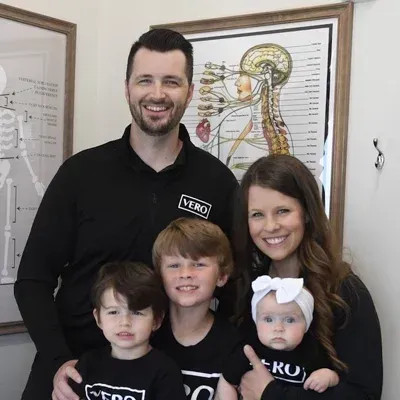
Vero Health Center has been rated the top medical clinic in West Des Moines, IA, for helping our patients live the lives they deserve through a natural, effective, and state-of-the-art approach to pain relief and spinal decompression therapy.
Unlike traditional health offices that only treat symptoms, we focus on restoring the body’s master control system — the nervous system — while also addressing structural issues in the spine that contribute to chronic pain and limited mobility.
We begin with a comprehensive neurological and structural evaluation, including advanced diagnostics that allow us to identify the root cause of your condition. From there, we develop a customized treatment plan that may include spinal decompression, corrective care, and targeted therapies designed to relieve pressure on damaged discs, reduce nerve irritation, and restore optimal function.
Our goal is simple: help you get out of pain, regain mobility, and return to the life you deserve.
What happens when you come in
No surprises. Here's exactly what the process looks like from the first phone call to your personalized recovery plan.
Day 1 — Evaluation
Your first visit is focused entirely on understanding your condition — not treatment. We need to know exactly what's going on with your spine before we touch anything.
- 1-on-1 Consultation
- Health History Review
- Neurological & Muscle Evaluation
- Posture and Movement Analysis
- Personalized Plan for Recovery
Day 2 — Report of Findings
We sit down with you and walk through your evaluation results in plain language. You'll see exactly where the disc problem is, how it's affecting your nervous system, and whether spinal decompression therapy is the right treatment approach for you.
If we can help, we'll lay out a clear plan — including how many decompression sessions you'll need, what to expect, and the full cost. If we can't help, we'll tell you that directly and refer you to someone who can.
Begin Treatment
If you decide spinal decompression treatment is right for you, your personalized protocol begins — targeted disc decompression combined with neurological care designed around your specific diagnosis.
There's no pressure to commit on the spot. Many patients take a day or two to decide, and that's completely fine.
The $37 evaluation is a diagnostic visit — not a sales pitch. If spinal decompression isn't the right fit, you'll know on Day 2. No obligation, no contracts.
What happens when you visit
No surprises. Here's exactly what the process looks like from the first phone call to your personalized recovery plan.
Day 1 — Evaluation
Your first visit is focused entirely on understanding your condition — not treatment. We need to know exactly what's going on with your spine before we touch anything.
- 1-on-1 Consultation
- Health History Review
- Neurological & Muscle Evaluation
- Posture and Movement Analysis
- Personalized Plan for Recovery
Day 2 — Report of Findings
We sit down with you and walk through your evaluation results in plain language. You'll see exactly where the disc problem is, how it's affecting your nervous system, and whether spinal decompression therapy is the right treatment approach for you.
If we can help, we'll lay out a clear plan — including how many decompression sessions you'll need, what to expect, and the full cost. If we can't help, we'll tell you that directly and refer you to someone who can.
Begin Treatment
If you decide spinal decompression treatment is right for you, your personalized protocol begins — targeted disc decompression combined with neurological care designed around your specific diagnosis.
There's no pressure to commit on the spot. Many patients take a day or two to decide, and that's completely fine.
The $37 evaluation is a diagnostic visit — not a sales pitch. If spinal decompression isn't the right fit, you'll know on Day 2. No obligation, no contracts.
Take Advantage of our $37 New Patient Special
Our staff will contact you within the hour to book your appointment.
Questions we hear most about spinal decompression
The $37 covers a 1-on-1 consultation, full health history review, neurological and muscle evaluation, digital posture and movement analysis, and a personalized plan for recovery. This is a comprehensive diagnostic visit — not a quick screening. If additional imaging is recommended, we'll discuss that with you before proceeding.
They're related but different. Traditional spinal traction applies a continuous pull across the spine. Spinal decompression therapy uses computer-controlled, intermittent distraction that specifically targets the damaged disc level. It cycles through stretch and relaxation phases, which creates the negative pressure needed to promote disc healing — something a simple traction pull can't achieve.
In many cases, yes. Non-surgical spinal decompression is specifically designed for herniated disc treatment and bulging disc relief. By reducing pressure on the disc and improving blood flow, the body is given the environment it needs to heal. That said, not every case is a candidate — which is exactly why we run a full evaluation before recommending anything.
Most patients begin to notice improvement within the first few weeks of treatment. A typical spinal decompression treatment protocol involves a series of sessions over several weeks, depending on the severity of the disc problem. Your specific timeline is laid out clearly on Day 2 during the Report of Findings — no guessing.
We work with many major insurance carriers for the evaluation and neurological care portions. Coverage for spinal decompression therapy itself varies by plan. During your Report of Findings, we'll go over the full investment and help you understand what your options are — including any insurance benefits that may apply.
Then we'll tell you directly. The entire point of the evaluation is to determine whether we can help your specific condition. If your back pain or disc injury requires a different approach — or if decompression isn't a fit — we'll explain why and refer you to the right provider. You'll never be pushed into treatment that isn't appropriate.
Our Decompression Treatment Center: 630 S 50th St, West Des Moines, IA 50265
Serving Des Moines, Ankeny, Waukee & surrounding areas
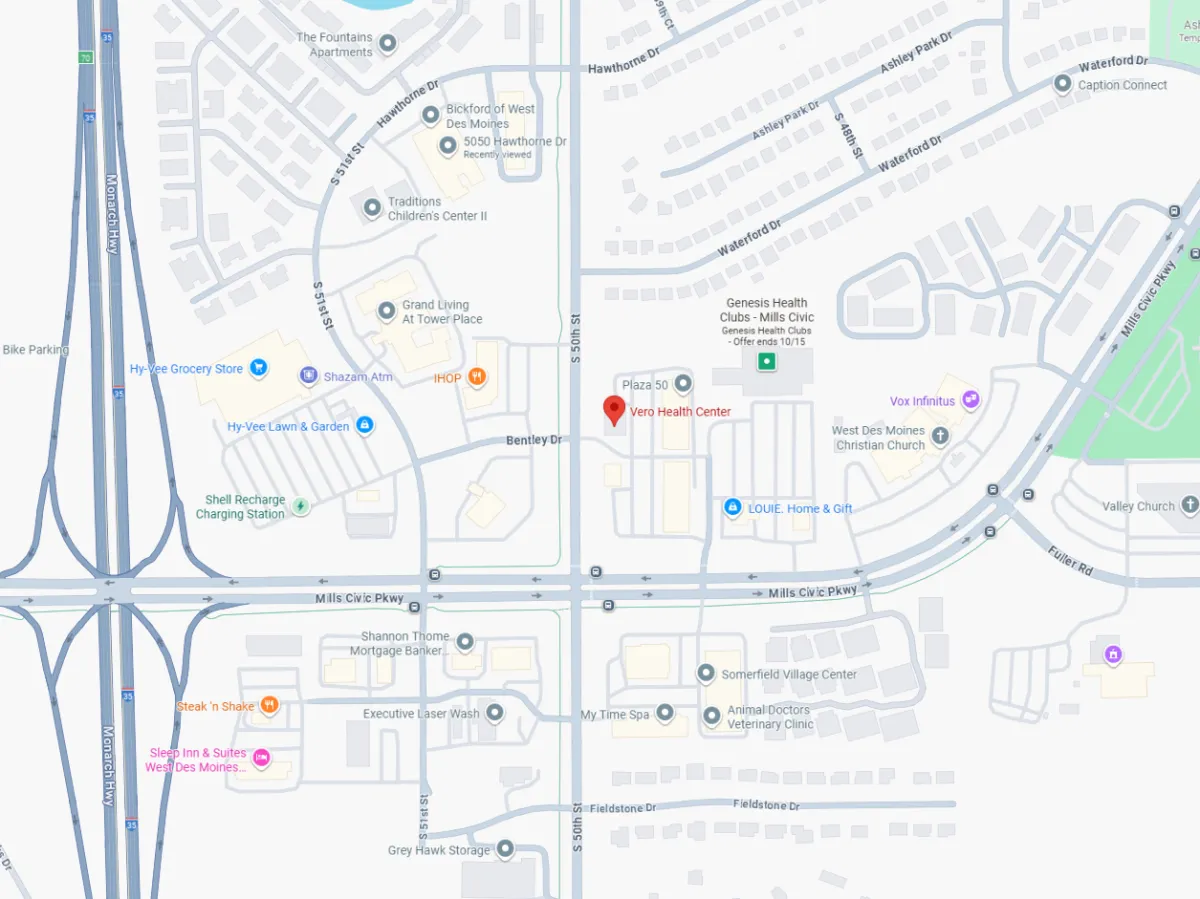
This offer does not apply to patients with the following insurance plans: Federal, Employees Health Plan, CIGNA Medicare Advantage, Focus Plan, MedCost, Medicare/Medicaid
DISCLAIMER: *Excludes Medicare & Medicaid by law. While this specific offer is not valid for these insurances, those with Medicare & Medicaid are always welcome in our office.
Some offers do require minimum purchase. No purchase is necessary to win on sweepstakes or giveaways. AMOE available for giveaways and sweepstakes.
Offer is not valid for Medicaid patients and certain insurance restrictions do apply.